

To enjoy recreation and sports for better health, choose movement you want to repeat, start at a comfortable level, and build toward a mix of aerobic activity and strength work. Brisk walking, cycling, dancing, or a friendly game all give you ways to make physical activity part of your week.
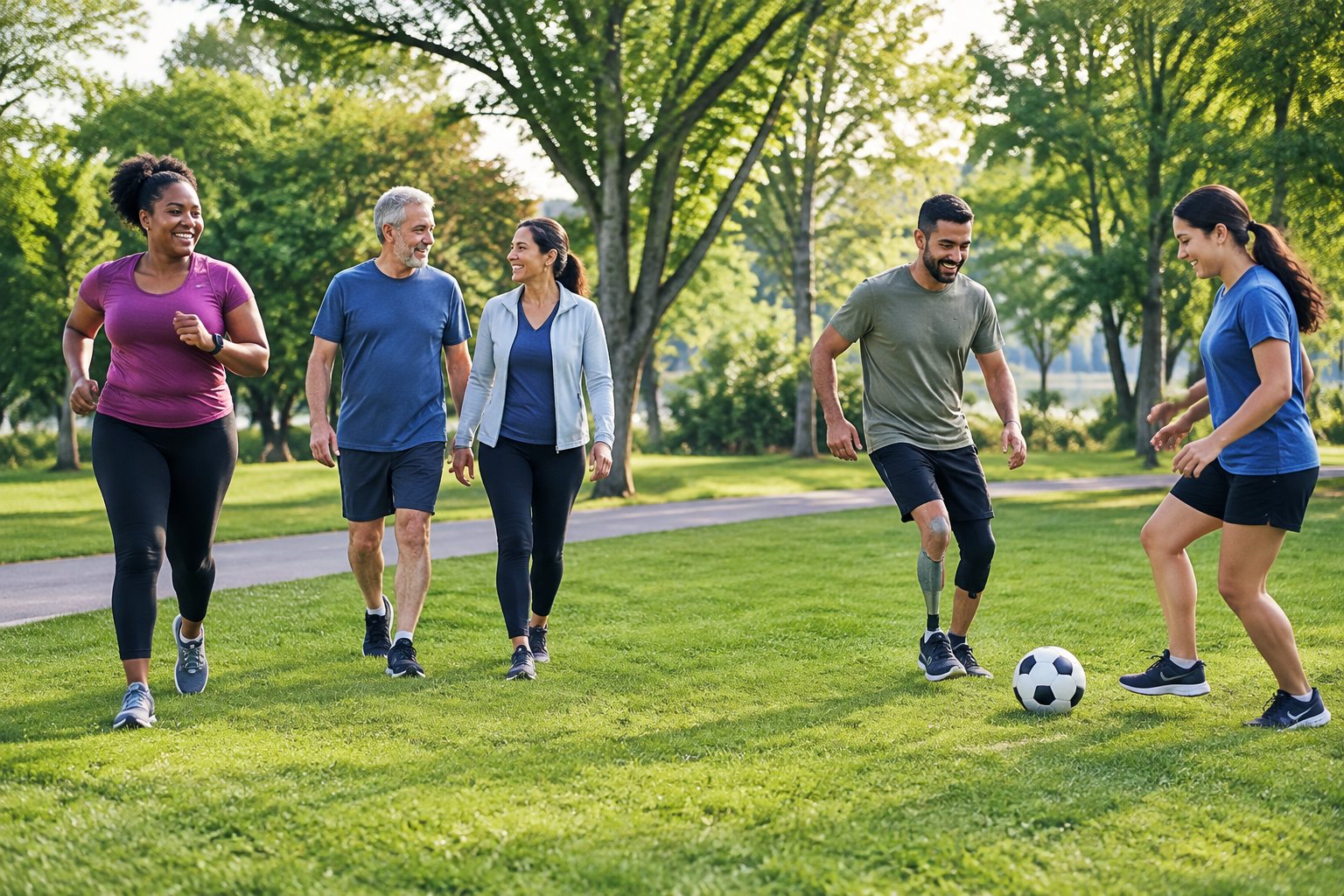
Your starting point deserves room in the plan. Whether you are returning after time away or trying something new, choose an activity that fits your budget, mobility, and available time. Enjoying the experience gives you a reason to return.
Which Activities Will You Actually Enjoy?

Choose an activity whose setting and pace appeal to you, then adjust it to your current fitness. Think about whether you prefer quiet time outdoors, music, friendly competition, or company.
- Brisk walking: Choose a familiar route with a surface you handle comfortably. Indoor tracks and malls offer options during poor weather.
- Cycling: Look for a route away from heavy traffic. A stationary or adapted cycle gives you other ways to participate.
- Recreational soccer: Choose a beginner-friendly group with flexible substitutions. Ask about walking soccer if a slower game suits you.
- Dancing or water exercise: Look for a class that welcomes your experience level and offers movement adjustments.
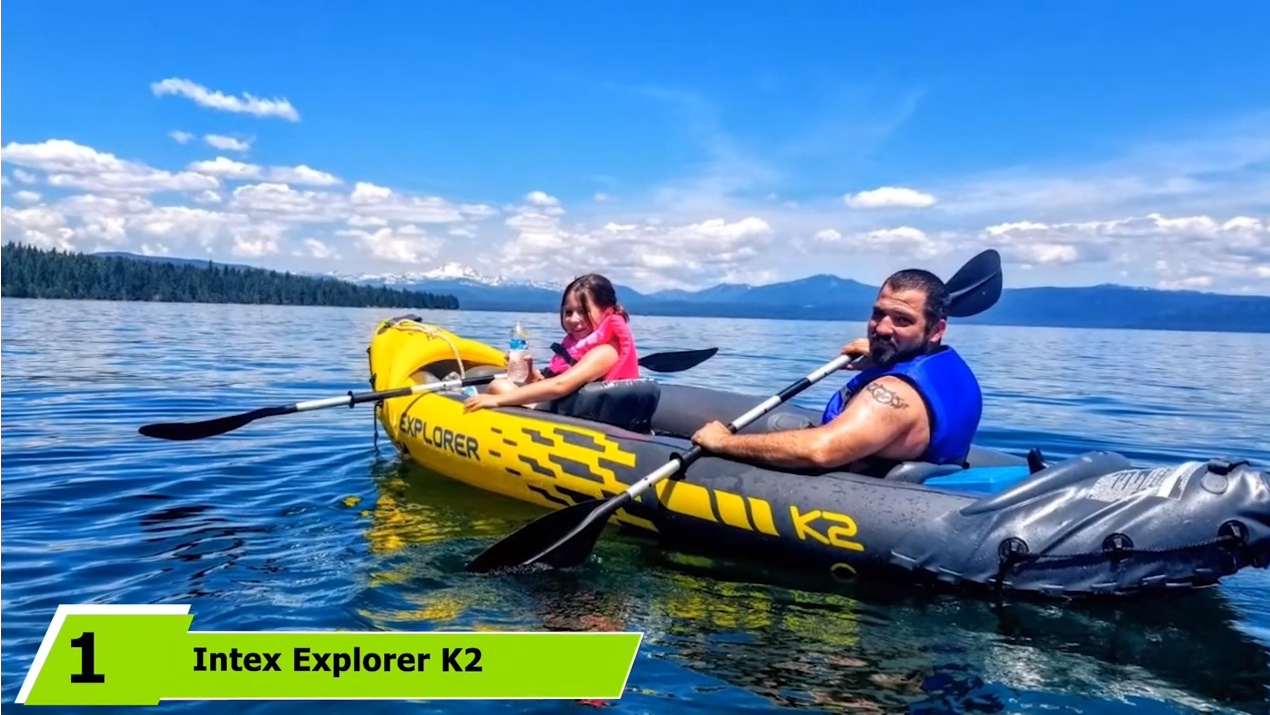
- Kayaking: If you enjoy water and scenery, approach getting started with kayaking through beginner instruction and calm conditions.
Before committing to a league or equipment purchase, try a beginner session or borrow suitable gear. Afterward, ask yourself whether you enjoyed the activity and whether getting there felt manageable. A nearby walking route might fit your week better than a class across town.
How Do Recreation and Sports Improve Your Health?

Regular movement supports your heart health, mental health, and ability to handle daily tasks. These benefits come from physical activity across many settings; you have plenty of ways to work toward them.
Your activity routine supports healthier blood pressure and lowers your risk of type 2 diabetes. You also gain opportunities to improve sleep and reduce feelings of anxiety. Regular physical activity helps reduce your risk of heart disease and some cancers.
Your physical function includes everyday abilities such as climbing stairs, carrying groceries, and getting up from a chair. Aerobic activity builds endurance, while strength work helps you maintain the muscles those tasks require. Easier daily movement contributes to your quality of life.
Keep sport-specific expectations realistic. When considering whether kayaking builds muscle, separate the effort of paddling from a strength routine that works your whole body. An enjoyable sport contributes to your activity, while other exercises fill gaps in your routine.
How Much Activity Do You Need Each Week?
As an adult, aim for a weekly mix of aerobic activity and muscle-strengthening activity. The physical activity guidelines recommend 150 minutes of moderate activity or 75 minutes of vigorous activity, plus strength work on at least 2 days.
Use your breathing to judge effort. At moderate intensity, you should be able to talk but not sing. During vigorous activity, you manage only a few words before pausing for breath.
You can split your activity into shorter sessions throughout the week. If you are beginning, start with a few comfortable minutes and gradually extend your sessions. Some physical activity provides benefits even before you reach the weekly target.
Once that amount feels manageable, your week might include:
- A 30-minute brisk walk on 5 days.
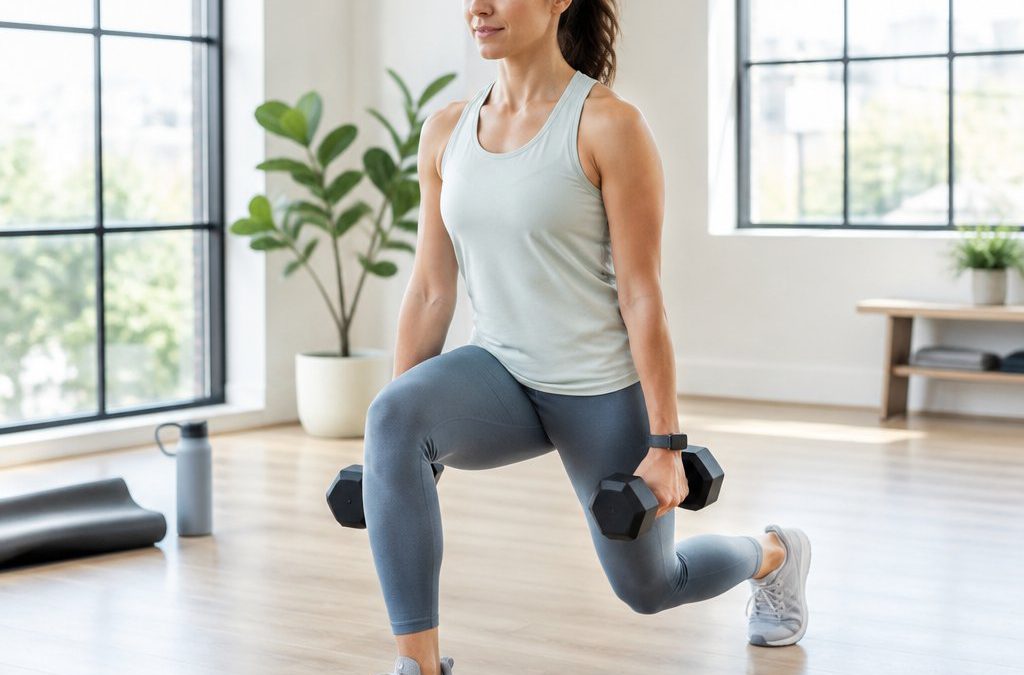
- Strength exercises on 2 days, covering your legs, hips, back, chest, abdomen, shoulders, and arms.
- Balance practice alongside your routine if you are 65 or older.
Use resistance bands, suitable weights, or body-weight exercises for strength work. If you enjoy several sports, cross-training with kayaking offers one way to vary your activity. Count aerobic minutes by your effort level, and keep whole-body strength work in your schedule.
Stay Safe and Make Participation Easier
Build gradually, use equipment suited to your activity, and choose a setting that matches your skills. Begin each session gently, then increase your pace as you feel ready.
If you have a chronic condition, discuss suitable activities and amounts with your healthcare professional. You should also seek advice before starting vigorous activity if you have been inactive, have a disability, or have overweight.
Make participation easier with a few practical choices:
- Match the setting to your needs. Check surfaces, seating, accessible entrances, and restroom access before choosing a regular location.
- Prepare for conditions. Bring water and adjust outdoor plans for heat, storms, or poor air quality.
- Use appropriate protection. Wear a helmet for cycling and a properly fitted life jacket for paddling. Your life vest’s fit affects your paddling movement, so check comfort and freedom of movement before launching.
- Choose welcoming company. A walking partner or beginner group gives you social connection alongside activity. Explain your preferred pace and need for breaks beforehand.
Stop exercising if you develop chest pain, faintness, or unusual severe breathlessness, and seek medical help. For ordinary post-activity soreness, allow recovery and adjust your next session to how you feel.
Make Recreation and Sports an Enjoyable Part of Your Weekly Movement
Give your preferred activity a regular place in your schedule and increase it at a manageable pace. Keep strength work alongside your recreation, and adjust your plans when your energy or circumstances change.
For your next week, choose a familiar activity and set aside a realistic time for it. Keep an accessible indoor option ready for days when outdoor conditions interrupt your plans.
Frequently Asked Questions
Your routine should fit your abilities and leave room for adjustments as you gain experience.
Does Recreation and Sports Count as Exercise?
Your recreation counts toward aerobic activity goals when it reaches moderate or vigorous intensity. Dancing, active games, and cycling all qualify when your breathing and effort reach those levels.
How do you stay active on a limited budget?
You can build a routine around walking, home exercises, and public recreation spaces. Before joining a program, check its participation fee and whether equipment is included.
What if you have limited mobility?
You have options such as seated exercise, wheelchair rolling, adapted cycling, and water-based activities. Choose movements suited to your abilities, with professional guidance when you need help adapting them.
What should you do after missing a week?
Resume with an amount that feels comfortable for your current condition. If illness or injury caused the break, follow your healthcare professional’s advice about returning to activity.