
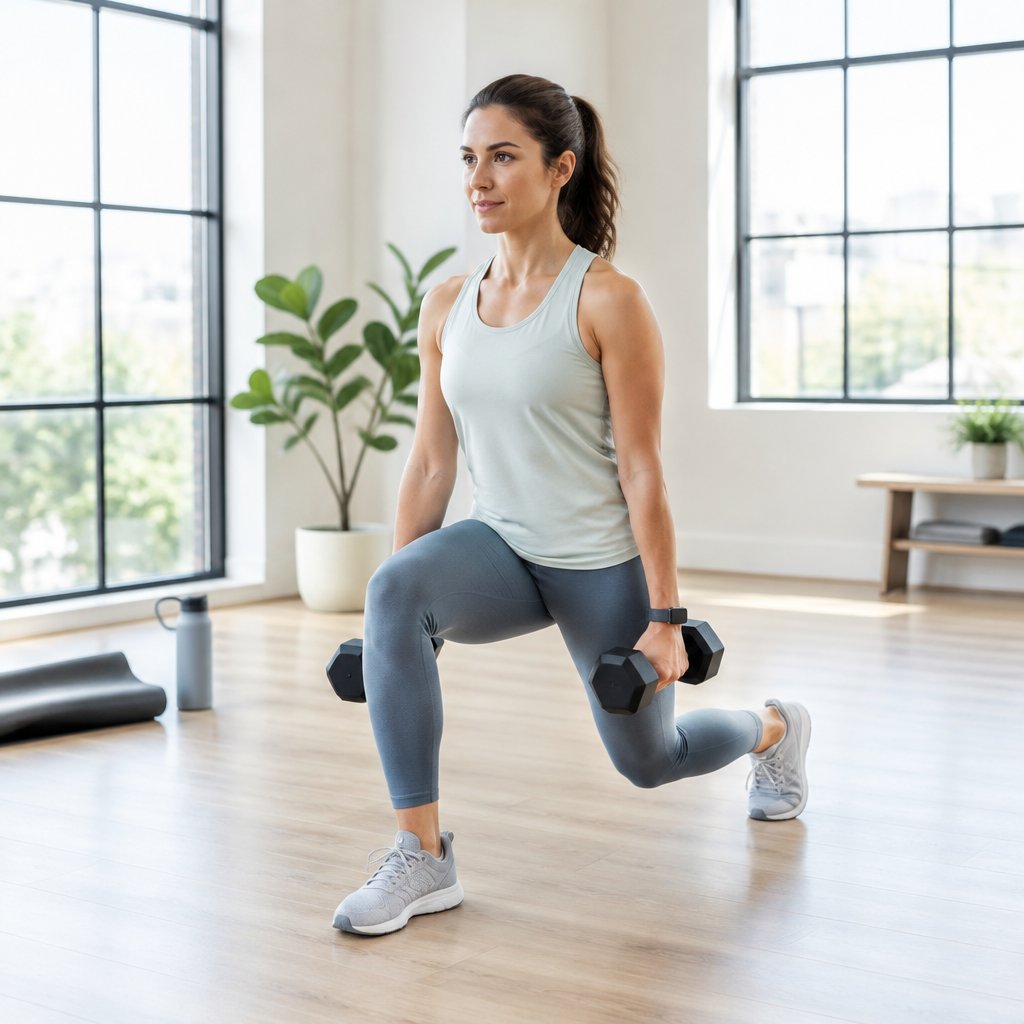
To build a healthy exercise and fitness routine, start with manageable cardio sessions and two nonconsecutive full-body strength workouts, then increase your activity as your fitness improves. Add gentle mobility work and recovery time so your exercise routine fits both your schedule and your current ability.
Your best exercise routine gives you something you can repeat during an ordinary week. If you are returning after a break, begin below your previous workload. Build your fitness routine around how you feel and move now, with room to adjust when work, sleep, or family plans change.
How Much Exercise Do You Need for Your Goals?
Work Toward Exercise and Fitness Activity Targets Gradually, Using Your Goals to Decide Where to Focus Extra Attention.
For substantial health benefits, aim for 150–300 minutes of moderate aerobic activity or 75–150 minutes of vigorous aerobic activity weekly, or an equivalent mix, plus muscle-strengthening activity on at least two days. Treat those amounts as goals to build toward if you are currently inactive.
Use the talk test to judge your effort:
- Moderate-intensity exercise: You breathe faster but can talk comfortably without being able to sing.
- Vigorous-intensity exercise: You need to pause for breath after a few words.
Judge intensity by your own breathing. The same walking pace feels different as your fitness changes.
Match your emphasis to your goal:
- Cardiovascular endurance: Gradually extend the time you spend doing aerobic activity.
- Muscle strength: Keep your strength sessions regular and increase resistance as your technique improves.
- Body composition and weight management: Combine physical activity with eating habits that support your needs. Track your strength and stamina alongside any weight changes.
You can gain health benefits before reaching the full weekly target. Start with an amount you recover from comfortably, then add activity over time.
A Balanced Weekly Exercise and Fitness Plan for Beginners
Build Your Exercise and Fitness Schedule Around Two Full-Body Strength Days and Aerobic Workouts Spread Across the Week.
Use this beginner workout plan once the duration feel manageable. Your cardio minutes should reach moderate effort to count toward the target shown.
| Day | Your planned session |
|---|---|
| Monday | 30 minutes of brisk walking, plus 20 minutes of full-body strength |
| Tuesday | 30 minutes of moderate cycling |
| Wednesday | 10 minutes of gentle mobility and supported balance exercises |
| Thursday | 30 minutes of brisk walking, plus 20 minutes of full-body strength |
| Friday | 30 minutes of moderate swimming or indoor cycling |
| Saturday | 30 minutes of brisk walking |
| Sunday | Rest, with optional comfortable movement |
Your five cardio sessions total 150 moderate-intensity minutes. Your two strength sessions fall on nonconsecutive days. Budget extra time for an easy warm-up and cool-down.
For a lower-volume starting option, shorten each cardio workout to 10 minutes. That gives you 50 weekly aerobic minutes; shorten your strength sessions as needed while keeping both days.
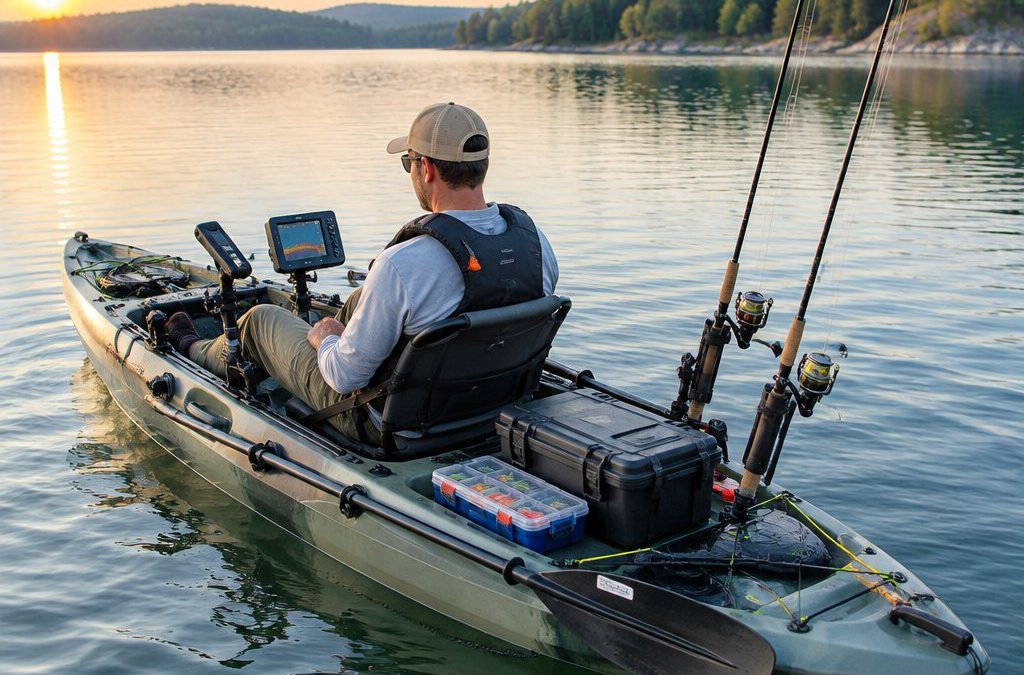
Choose walking routes or gym equipment you enjoy. If you already paddle, cross-training with kayaking offers another way to vary your aerobic exercise; use your breathing to judge effort.
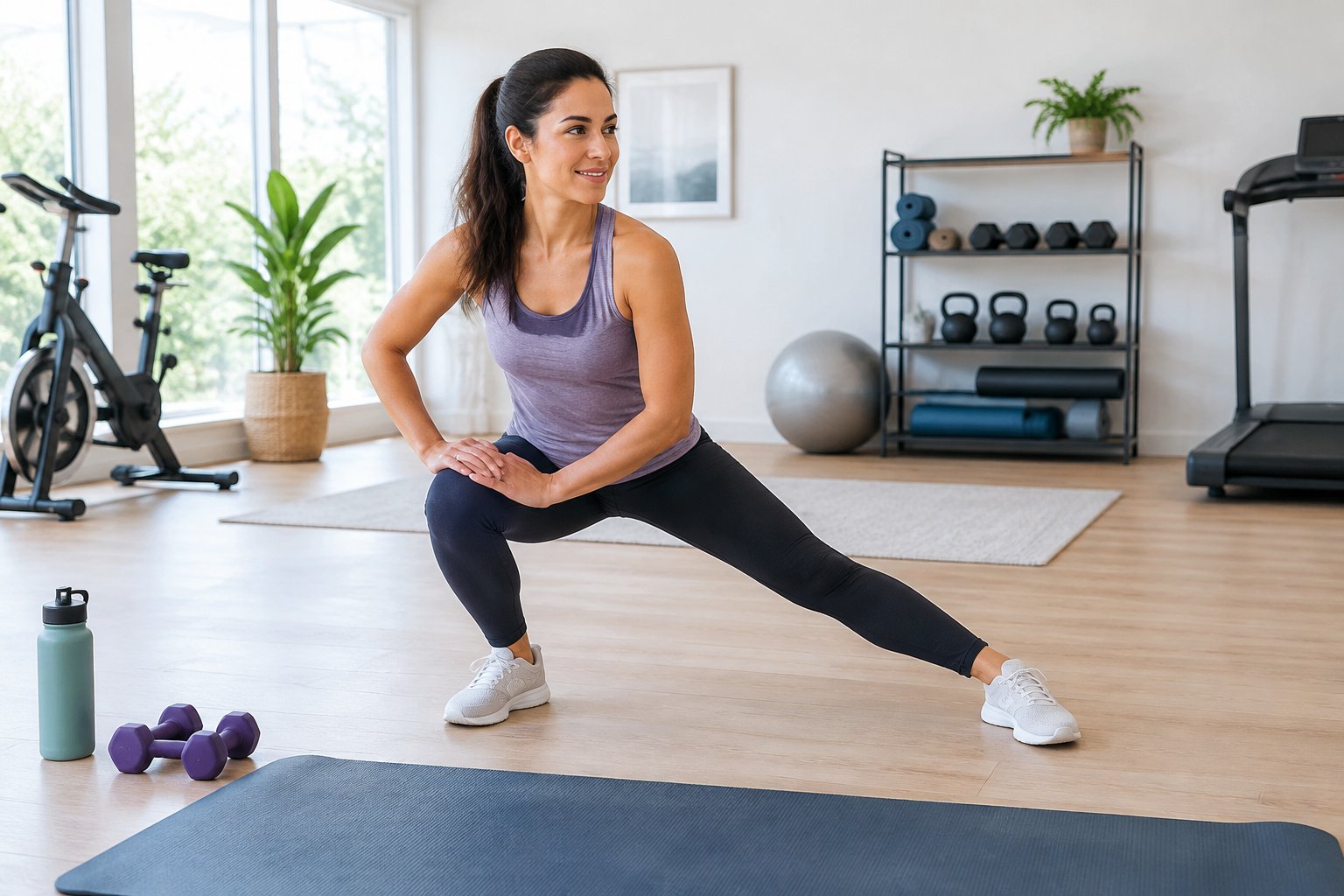
For flexibility, add comfortable flexibility exercises after activity. Gentle yoga, tai chi, or Pilates also fit into your exercise program, with the class level matched to your ability.
Which Strength Exercises Should Beginners Start With?
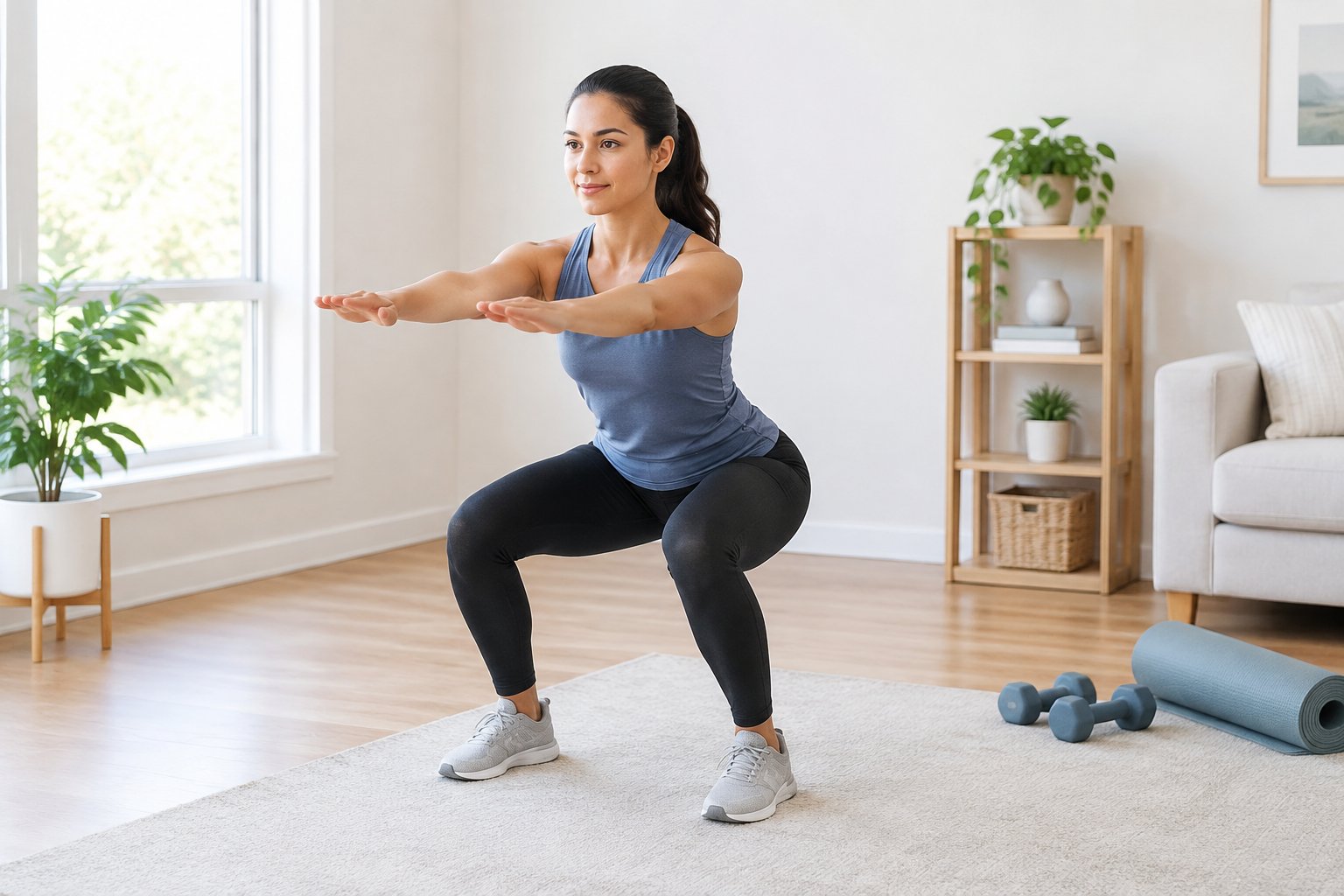
Start your strength training with simple movements that train your legs, hips, upper body, and trunk.
You can use body weight exercises at home or resistance training equipment at a gym. Choose versions that let you move steadily through a comfortable range.
| Movement | Your home option | Your gym option |
|---|---|---|
| Squat | Sit down to a sturdy chair and stand up | Use a leg press |
| Push | Do push-ups against a wall or counter | Use a chest press machine |
| Pull | Perform a supported row with dumbbells | Use a seated row machine |
| Hip hinge | Push your hips back toward a wall | Use light dumbbells for a Romanian dead lift |
| Single-leg work | Try supported reverse lunges | Use supported split squats |
| Trunk control | Hold a plank against a counter | Use a raised bench plank |
Begin with one controlled set of each movement. End your set while you still feel able to perform another clean repetition; shorten your plank when your position starts to change.
For squats, keep your whole foot grounded. During push-ups, keep your body aligned and use a higher surface if you struggle.
With weight training, choose a load you can lower smoothly without holding your breath. Ask gym staff to adjust selectorized machines to your height and explain their controls.
If you paddle, include pulling and trunk work in your outdoor full-body workout for kayaking, while keeping the resistance appropriate for your current strength.
How Do You Progress Safely and Allow for Recovery?
Increase Your Exercise and Fitness Routine Gradually, Focusing on One Change at a Time and Allowing Recovery Days Between Demanding Workouts.
Before adding work, check whether you finish your current sessions with steady technique and feel ready for your next planned workout. Follow the principle of starting with lower-intensity activity and increasing gradually.
Use these practical adjustments:
- For cardio: Extend a comfortable session before increasing its pace.
- For strength: Add controlled repetitions, then use the smallest available increase in resistance.
- For your schedule: Repeat your current week when fatigue builds or your sleep suffers.
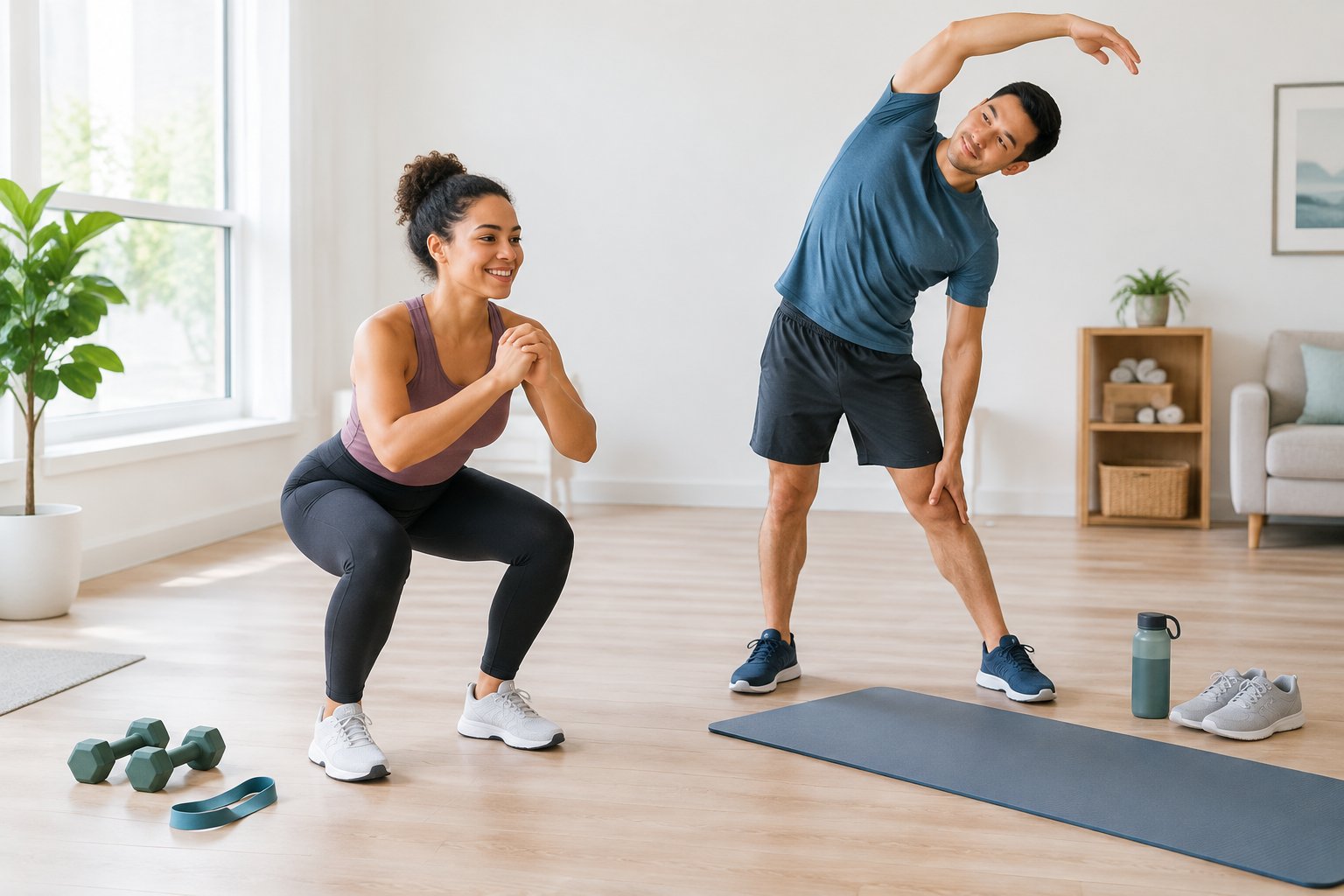
Include a warm-up and cool-down. Begin with easy movement, followed by dynamic stretches such as controlled arm circles or gentle marching. Finish by slowing your pace; keep any stretching comfortable and avoid bouncing.
Protect muscle recovery with enough sleep, regular meals, and fluids. Use rest days for rest or active recovery, such as an easy walk that leaves you feeling refreshed.
Interval training alternates harder efforts with easier movement. High-intensity interval training is optional; you can build your beginner routine with steady moderate activity.
Stop exercising and seek prompt help for chest pain, dizziness, or unusual severe breathlessness. For persistent joint pain or pain that changes your movement, pause the provoking exercise and seek professional guidance.
Build Consistency Before Adding Intensity
Make regular exercise repeatable before making your workouts harder.
Keep your two strength days on your calendar and choose cardio sessions that fit your available time. Use the shorter starting option whenever the full schedule exceeds your current ability.
Record what you completed and how you felt afterward. When your sessions feel manageable and you recover comfortably, extend one cardio session or make a small strength adjustment.
Frequently Asked Questions
You can adjust your routine around short windows of time and changes in your weekly schedule.
Does Exercise and Fitness Have to Last at Least 10 Minutes to Count?
Your activity does not need to happen in 10-minute blocks. You can count shorter bouts of moderate-to-vigorous activity toward your weekly total, including brief brisk walks.
What Should You Do if You Miss an Exercise and Fitness Workout?
Resume your schedule at the next practical opportunity. If you move a strength session, leave a recovery day before training the same muscles again.
Can you split cardio and strength into separate sessions?
You can do cardio and strength at different times of day. In the sample plan, your Monday walk could happen before work and your strength session later, provided the combined workload feels manageable.
Should You Get Medical Advice Before Starting an Exercise and Fitness Routine?
Speak with your healthcare professional before starting if you have a chronic condition, concerning symptoms, or questions about exercise during pregnancy. Ask which activities and effort levels suit your health and whether you need any specific adjustments.