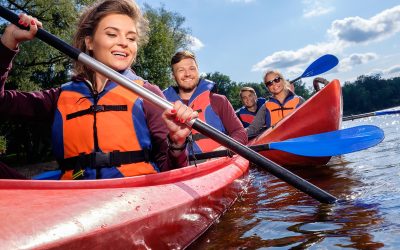

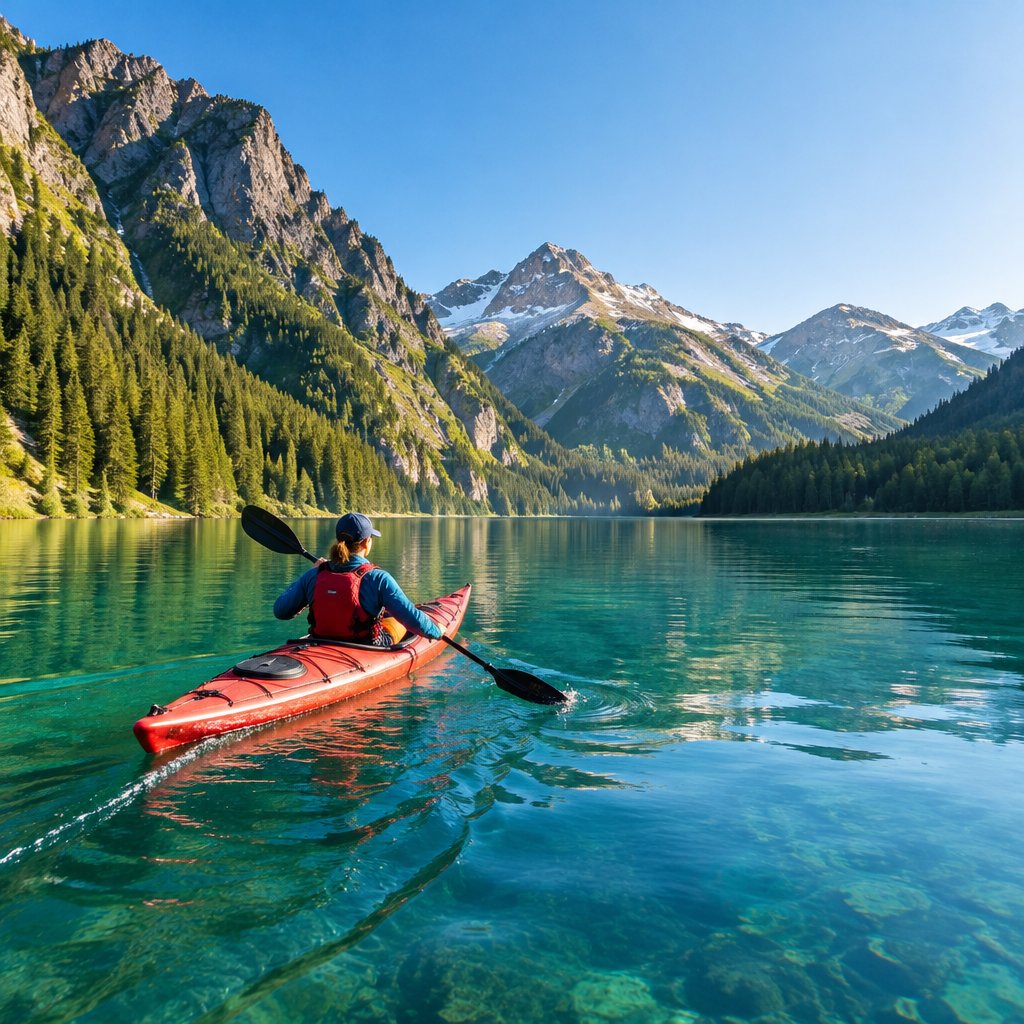
To find the best kayaking destinations, choose a specific route that matches your rescue skills and paddling goals, then check its seasonal conditions, legal access, and full trip cost. If you’re new to kayaking, start with sheltered flat water, easy landings, and a short return route.
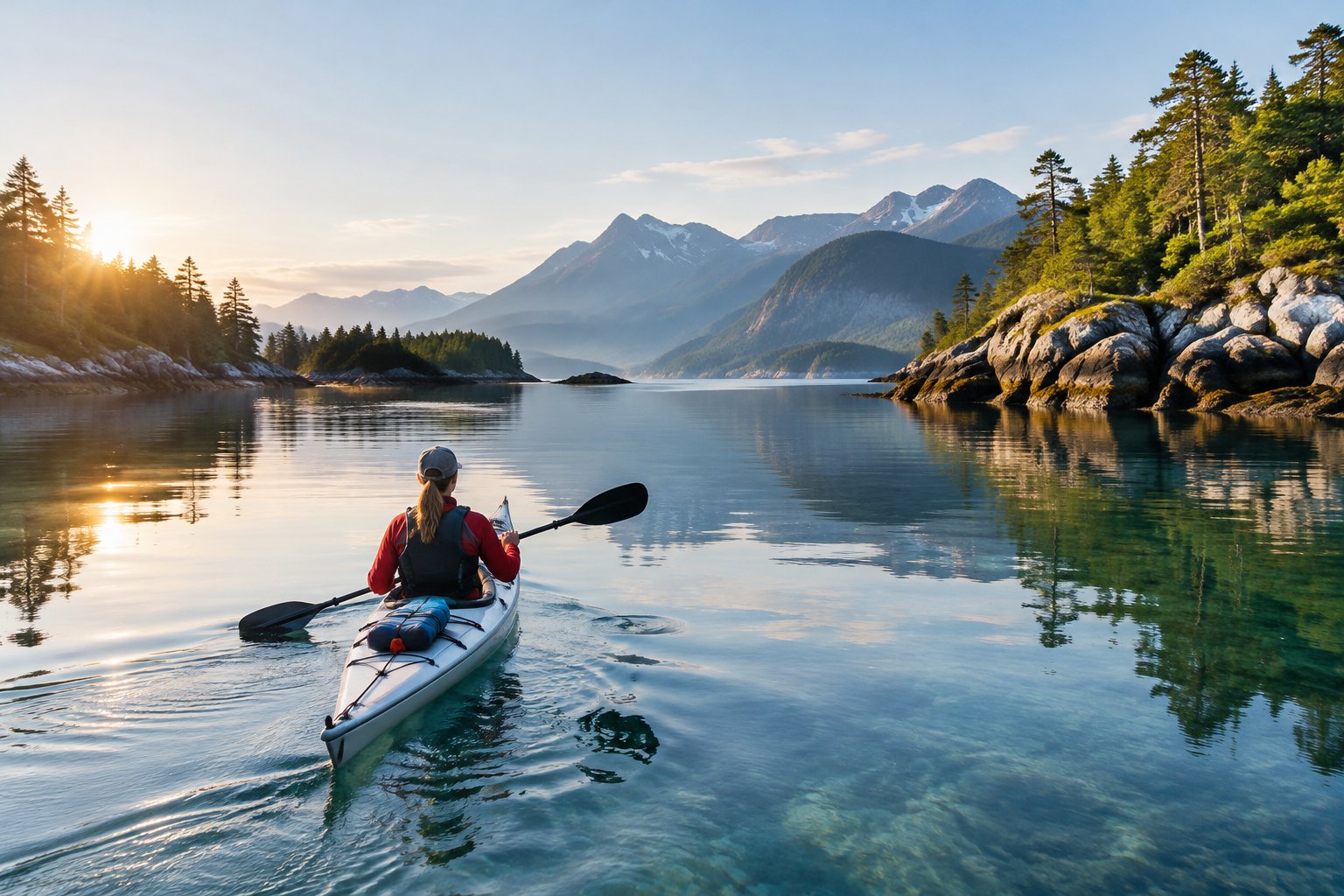
Your shortlist becomes more useful when you compare launch points and water exposure alongside scenery. The best places to kayak include both simple local outings and remote coastlines, but a destination’s reputation tells you little about the difficulty of your exact route.
Which Paddling Experience Matches Your Skills and Goals?
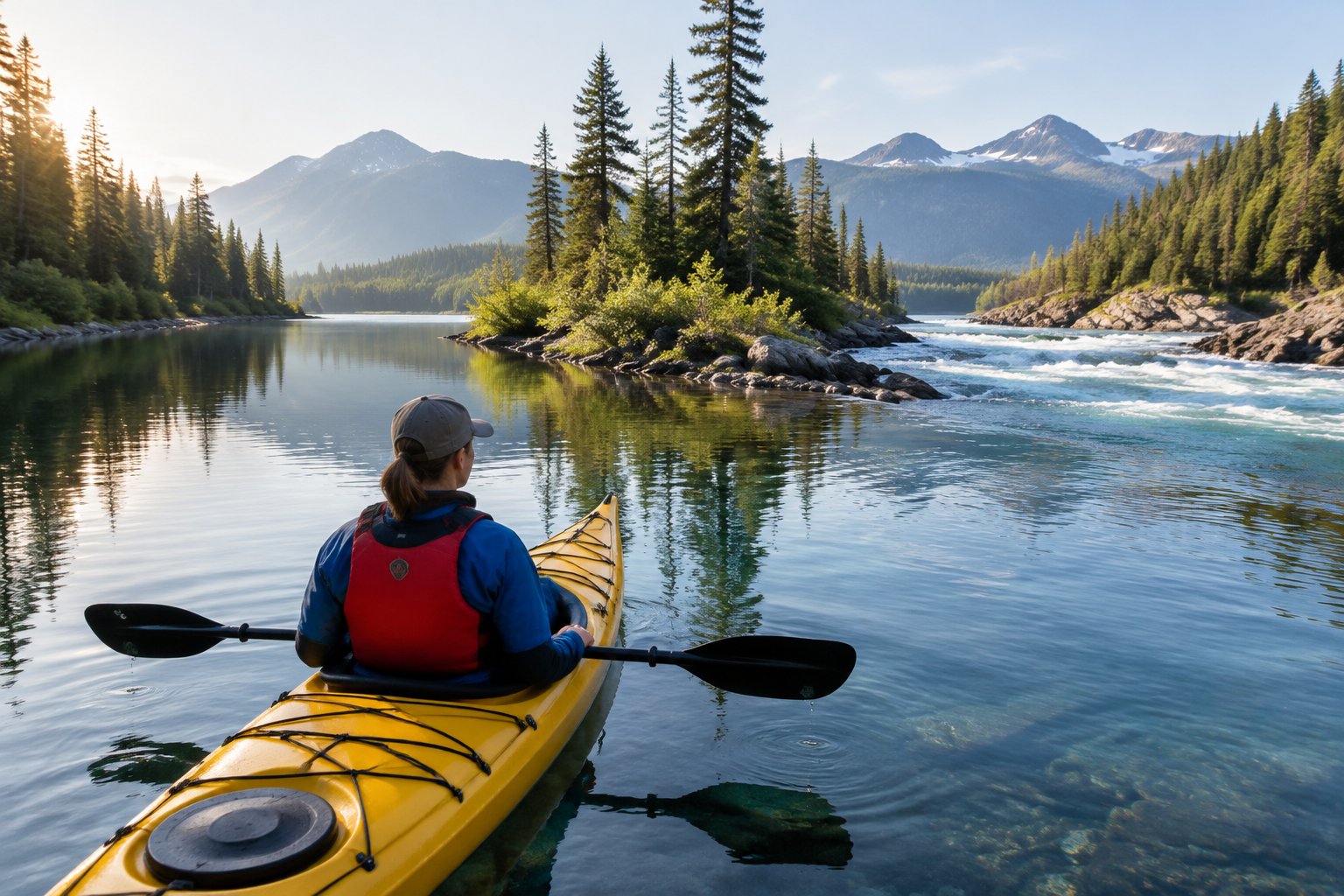
Choose your paddling experience by matching the water’s demands to skills you have practiced, including getting back into your boat after a capsize.
Use these trip types to narrow your search:
- Beginner flat water: Look for kayaking destinations for beginners with little current, sheltered shorelines, and several easy exits. Your route should leave room to turn back before fatigue builds.
- Sea kayaking: Choose coastal routes based on tides, wind exposure, boat traffic, and landing options. A sheltered launch offers little protection once your route rounds an exposed headland.
- River kayaking: Match your moving-water skills to the exact stretch and current water level. Include the shuttle between your put-in and take-out in your plans.
- Wildlife viewing: Favor routes where you have room to keep a respectful distance. Give animals an open path away from your kayak.
- Kayak camping and kayaking expeditions: Add loaded-boat handling, food storage, navigation, and emergency planning to your skill requirements.
If your confidence comes mainly from staying upright, make kayaking lessons part of your preparation. Practice stopping and turning as well as capsize recovery.
If you also want paddleboarding, check the rules for that activity separately. At Acadia, you’ll find that Eagle Lake and Jordan Pond prohibit paddleboarding, even though you’re allowed to kayak there.
Which US Destinations Belong on Your Shortlist?
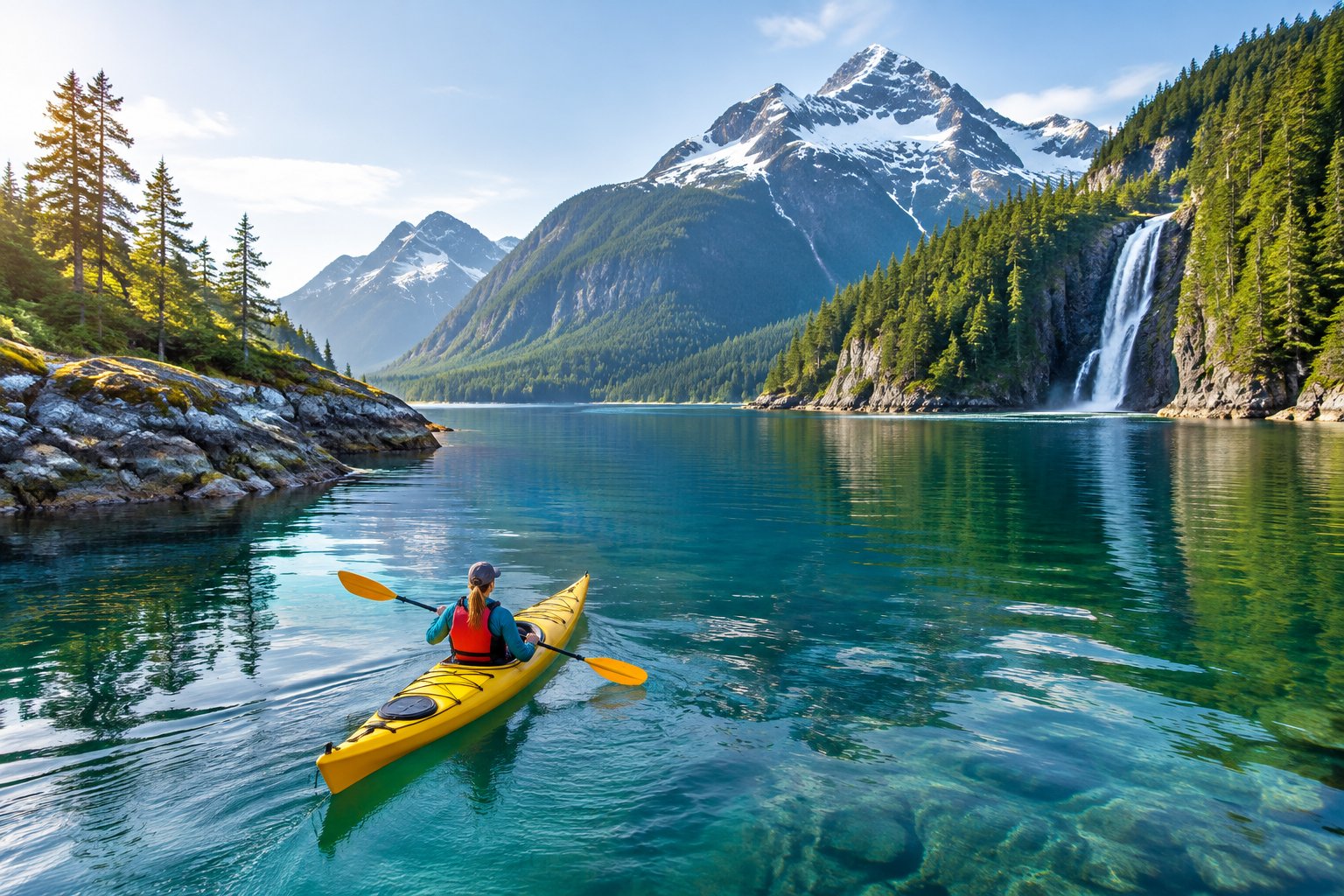
Build your US shortlist around the type of water you’re prepared to paddle, then select a route within each destination.
Among the best places to kayak in the US, these options give you distinct starting points:
- San Juan Islands, Washington: Consider island scenery and kayak camping, with close attention to tidal currents and ferry routes.
- Kenai Fjords National Park: Choose guided coastal access if you lack advanced sea skills. For your approach, follow the park’s warning that paddling directly from Seward into the park is not recommended.
- Glacier Bay: Consider remote camping and glacier scenery if you’re prepared for cold water and complex tides.
- Apostle Islands National Lakeshore and Pictured Rocks National Lakeshore: Treat Lake Superior as exposed big water. For your recreational kayak, Pictured Rocks identifies inland options including Little Beaver Lake and Grand Sable Lake.
- Acadia National Park: Compare a permitted lake outing with a guided trip on Frenchman Bay.
- Olympic National Park, Lake Tahoe, and Glacier National Park: Shortlist these for mountain-lake scenery, then assess wind exposure and local boat rules.
- Boundary Waters Canoe Area Wilderness: Consider wilderness camping if you’re comfortable carrying your boat and equipment between lakes.
- Buffalo National River, Arkansas: Explore the Ozark Mountains through a reach matched to rainfall and river level.
- Colorado River, Grand Canyon, Green River, and Lake Powell: When comparing Arizona kayaking trips and nearby canyon routes, distinguish flat-water stretches from whitewater commitments.
Which International Destinations Suit Your Trip?
Choose an international destination around a suitable local route and the support your trip requires.
Use these options to narrow your search for the best kayaking destinations:
- Milford Sound, New Zealand: Consider guided fjord paddling for steep coastal scenery; account for cold water and weather exposure.
- Halong Bay, Vietnam: Look for an itinerary with clearly defined paddling areas and separation from busy boat routes.
- Lake Bled and the Soča River, Slovenia: Choose Lake Bled for a lake-focused visit; assess the Soča by its exact river section. If your Soča entry and exit span sectors, you need permits covering both sectors.
- Norwegian fjords and the Lofoten Islands, Norway: Include these in your European kayaking plans when you want mountain-backed sea routes.
- Dalmatian Coast, Croatia: Plan island routes around marine forecasts and sheltered landing options.
- British Columbia: Consider sea kayaking destinations such as Gwaii Haanas. On its west coast, you face long cliff stretches and difficult or impossible landings.
- Sea of Cortez, Raja Ampat, and Galápagos: Compare guided sea kayaking adventures by permitted routes and wildlife rules.
- Patagonia: Approach glacier kayaking as a specialist outing with cold-water protection and guide-led distance decisions.
For ocean kayaking in Latin America, keep wildlife encounters separate from your route’s value. Sea lions and whale sharks are wild animals; sightings carry no guarantee. Where mangrove channels feature in your itinerary, check tidal access and protected-area restrictions.
How Can You Verify Conditions, Access, and Trip Costs?
You’ll make a stronger decision by checking official water information and route access before comparing the full cost of suitable trips.
Work through these checks for each finalist:
- Match the forecast to your water. Check wind direction, gusts, waves, visibility, and water temperature. For US coastal waters and the Great Lakes, you have access to NWS marine forecasts and warnings. A town’s air-temperature forecast leaves important paddling conditions unanswered.
- Check river levels and recent hazards. On the Buffalo, you’re paddling a largely rainfall-dependent river. Read the gauge for your reach, then account for obstacles such as fallen trees that gauges don’t show.
- Trace access from parking to landing. Check legal launches, stairs, carry distance, take-outs, and campsites. Include current closure notices in your route review.
- Compare complete costs. Add transport, lodging, kayak rentals, permits, parking, shuttles, and required kayaking gear. At Apostle Islands, your Meyers Beach launch involves a $5 parking fee and stairs to the beach.
- Read the trip inclusions. When comparing kayak rental options, check boat type, protective clothing, rescue equipment, and return arrangements. For kayaking tours, examine guide qualifications and weather-cancellation terms.
Keep your price comparison tied to the same route and level of support. A rental-only outing and a guided trip with transport cover different needs.
Choose the Route That Fits Your Skills and Travel Window
Choose the route whose expected paddling conditions fit your practiced skills during your actual travel dates.
Keep a sheltered backup within reach, and allow time for weather-related changes. For overnight travel, your multi-day kayak plan should include legal campsites and realistic exit options.
Before departure, leave your route and overdue-response instructions with a reliable contact. Recheck the forecast at the launch, and shorten or cancel the outing when conditions exceed your limits.
Frequently Asked Questions
Use route-level details to resolve questions about beginner suitability, guided trips, and equipment.
What should you look for in kayaking destinations for beginners?
Look for sheltered water with little current, easy landings, and a short route close to help. Assess the forecast and boat traffic for your exact outing, because a lake’s size or reputation doesn’t establish beginner suitability.
When should you choose kayaking tours?
Choose kayaking tours when your intended route requires local knowledge or rescue skills beyond your experience. Ask about participant requirements and guide qualifications, especially for exposed coastlines or cold water.
What should your kayak rentals include?
Your kayak rentals should provide a boat suited to the route, a paddle, and a properly fitted life jacket, with the inclusions stated clearly. For decked sea kayaks, clarify spray-skirt use, capsize instruction, and the rescue equipment required for your outing.
Should you wear a life jacket even on calm water?
Wear a properly fitted, activity-appropriate life jacket whenever you’re paddling. Your foam life jacket should fit snugly without rising above your chin or ears when worn correctly.
How should you plan around wildlife?
Give wildlife space and follow the area’s viewing rules, including seasonal closures. Keep your kayak clear of resting animals and avoid blocking their route to open water or shore.